Showing posts with label Lehman Brothers. Show all posts

[FT]英ポンドは逃避先通貨であり続けるか


)
2012/6/18 7:00
(2012年6月15日付 英フィナンシャル・タイムズ紙)
 比較的最近まで、英ポンドは欧州における一番の避難先と呼ばれていた。だが、その地位が崩れ始めている。
■主要通貨に対して弱含むポンド
イングランド銀行のキング総裁(5月28日、ロンドン)=ロイター
画像の拡大
イングランド銀行のキング総裁(5月28日、ロンドン)=ロイター
 14日には、イングランド銀行が金融政策の追加緩和に踏み切るとの期待感が広まる中、マーヴィン・キング総裁の講演を控え、ポンドに下落圧力がかかった。また、投資家はユーロ圏との緊密な貿易関係が英国にもたらすリスクにも注目し始めている。

Chủ tịch WB cảnh báo châu Âu về “kịch bản Lehman Brothers”


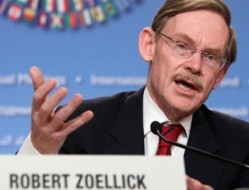
Chủ tịch Ngân hàng Thế giới (WB) Robert Zoellick
Chủ nhật, 17/06/2012, 16:59
Ông nhấn mạnh Châu Âu có nguy cơ khơi mào một cuộc suy thoái tài chính, kéo theo những hậu quả nghiêm trọng đối với các nước đang phát triển.
Chủ tịch Ngân hàng Thế giới (WB) Robert Zoellick, ngày 17/6 cảnh báo rằng Châu Âu đang phải đối mặt với một "thời khắc kiểu Lehmans" và sự sụp đổ của đồng euro có thể châm ngòi cho một cuộc khủng hoảng toàn cầu. 
 

[FT]中国経済に希望の光、明るい指標相次ぐ


(1/2ページ)
2012/6/11 14:00
(2012年6月11日付 英フィナンシャル・タイムズ紙)
 中国は足元で景気重視にカジを切ったようにみえるが、世界的な金融危機の最中に実施したような財政出動の必要はないことを直近の経済指標は示している。
■「急落」ではなく「ソフトランディング」
5月の中国の輸出額は前年比15.3%増だった(6月10日、大連の港)=ロイター
画像の拡大
5月の中国の輸出額は前年比15.3%増だった(6月10日、大連の港)=ロイター

18/10 Các nền kinh tế mới nổi “ngấm đòn” khủng hoảng nợ châu Âu

AN HUY
18/10/2011 21:43 (GMT+7)
pictureKinh tế Trung Quốc đã tăng trưởng chậm lại trong thời gian qua, là do tác động từ khủng hoảng nợ châu Âu.

Những rắc rối về nợ công ở các nước phát triển đã bắt đầu có tác động tới các quốc gia có tốc độ tăng trưởng cao như Trung Quốc, Brazil và Indonesia. Các nền kinh tế mới nổi này đều đã cho thấy sự chuẩn bị sẵn sàng để đương đầu với thiệt hại mà cơn bão nợ công của châu Âu mang lại.

Theo báo Wall Street Journal, một loạt con số thống kê gần đây đã cho thấy ảnh hưởng tiêu cực của cuộc khủng hoảng nợ châu Âu tới các nền kinh tế mới nổi, từ sự suy giảm doanh số bán lẻ ở Brazil, số đơn đặt hàng mà các nhà máy ở Nam Phi nhận được, động thái tăng cổ phần trong các ngân hàng lớn của Chính phủ Trung Quốc, tới mới nhất là mức tăng trưởng gây thất vọng của kinh tế Trung Quốc trong quý 3.

12/10 Ngân hàng Dexia: “Lehman Brothers của Châu Âu”?


Thứ tư, 12 Tháng mười 2011, 14:33 GMT+7

Chính phủ Pháp và Bỉ ngày 10/10 đã quyết định cứu Ngân hàng Dexia đang có nguy cơ lặp lại “kịch bản Lehman Brothers” bị vỡ nợ năm 2008.
Ngan hang Dexia Lehman Brothers cua Chau AuDexia
Ngân hàng đầu tư Lehman Brother lớn thứ 4 ở Mỹ có bề dày lịch sử 158 năm với 26.000 nhân viên rải khắp thế giới làm đơn xin phá sản và được bảo lãnh ngày 15/9/2008 làm dư luận Mỹ bàng hoàng.

03/06 SEC may rebuke Lehman rather than sue: report


Related Topics

NEW YORK | Fri Jun 3, 2011 9:07pm EDT
(Reuters) - The Securities and Exchange Commission may issue a public rebuke of Lehman Brothers Holdings Inc and former executives rather than sue them for actions that led to the firm's 2008 bankruptcy, Bloomberg News reported on Friday, citing three people with direct knowledge of the matter.
The SEC's enforcement lawyers are worried that a legal attack on Lehman's accounting practices would fail, the people cited by Bloomberg said.
Instead, the enforcement staff may recommend that the agency publish a so-called report of investigation, also known as a 21(a) report. outlining allegations of misconduct without imposing penalties, Bloomberg said.
Lehman filed the biggest bankruptcy in U.S. history in September 2008.
Am SEC representative did not immediately respond to a request for comment.
(Reporting by Phil Wahba; Editing by Gary Hill)

31/05 Nguy cơ lại xảy ra khủng hoảng tài chính toàn cầu


31/05/2011 | 09:18:00

Chủ tịch điều hành công ty quản lý đầu tư Templeton Asset Management Ltd. Mark Mobius. (Nguồn: Reuters)
Khả năng xảy ra một cuộc khủng hoảng tài chính mới là không thể tránh khỏi bởi những nguyên nhân gây ra cơn bão tài chính vừa qua chưa được giải quyết.

Phát biểu với báo giới ngày 30/5, ông Mark Mobius, Chủ tịch điều hành công ty quản lý đầu tư Templeton Asset Management Ltd. thuộc Quỹ Đầu tư Franklin Templeton, đang giám sát số tiền đầu tư hơn 50 tỷ USD, nhấn mạnh nguyên nhân khiến giá cả hàng hóa dao động mạnh gần đây là do thế giới chưa có các quy định về các mặt hàng hoặc dịch vụ phái sinh trong bối cảnh các mặt hàng và dịch vụ này tiếp tục phát triển.

Theo ông, tổng giá trị các mặt hàng hoặc dịch vụ phái sinh trên thế giới hiện nay đã vượt Tổng sản phẩm nội địa (GDP) toàn cầu. Với việc số lượng tiền đầu tư đang tỏa ra các hướng khác nhau, sự biến động và khủng hoảng tại các thị trường cổ phiếu không lãi cố định dường như chắc chắn sẽ xảy ra.

Nguyên nhân gây ra cuộc khủng hoảng tài chính toàn cầu ba năm trước phần nào là do việc phổ biến các sản phẩm tài chính phái sinh có liên quan đến các khoản vay thế chấp nhà tại Mỹ. Khi các sản phẩm này ngừng hoạt động, các nhà đầu tư đã tổn thất hàng trăm tỷ USD, dẫn đến sự sụp đổ của Tập đoàn Lehman Brothers Holdings Inc. hồi tháng 9/2008.

Chỉ số MSCI AC World Index của các thị trường chứng khoán phát triển và đang nổi đã giảm tới 46% trong giai đoạn từ tháng 9/2008 đến khi thị trường chạm đáy vào ngày 9/3/2009.

Tuy nhiên, mỗi cuộc khủng hoảng đều tạo ra một cơ hội lớn. Việc các thị trường tín dụng toàn cầu bị đóng băng đã khiến các chính phủ trên thế giới, từ Washington tới Bắc Kinh và London phải bơm hơn 3.000 tỷ USD vào hệ thống tài chính để hỗ trợ nền kinh tế toàn cầu. Do vậy từ tháng 3/2009 đến nay, chỉ số MSCI AC World Index đã tăng tới 99%.

Theo ông Mobius, thế giới cũng cần đưa ra các quy định về yêu cầu vốn cao hơn, giám sát nhiều hơn đối với các tổ chức "quá quan trọng nên không thể phá sản" nhằm giảm bớt nguy cơ xảy ra các cuộc phá sản quy mô lớn./.
(TTXVN/Vietnam+)

27/09 Ảo mộng Lehman Brothers: Sự thất bại của lối nghĩ thông thường

Thứ Hai, 27-09-2010 - 08:43 SA theo tuanvietnam

Và ngày 15/9/2008, người khổng lồ Lehman Brothers chính thức nộp đơn xin bảo hộ phá sản. Nước Mỹ choáng váng. Thị trường chấn động. Vậy là định chế tài chính hơn 150 tuổi, ngân hàng đầu tư lớn thứ tư của Mỹ đã bị xóa tên khỏi bản đồ tài chính thế giới. Nhiều chữ "Nếu" được đặt ra, nhiều bài học được nhắc tới...


Nhưng dù gì đi nữa, 25.000 nhân viên đã thất nghiệp, một khối tài sản khổng lồ đã bốc hơi, và 5 ngân hàng đầu tư lớn nhất phố Wall nay chỉ còn lại 2 (Goldman Sachs và Morgan Stanley).

Đã có nhiều sách viết về câu chuyện mà chúng ta đã biết kết cục, nhưng khó có quyển sách nào thể hiện được sự giận dữ, đắng cay và bất lực của một người trong cuộc được như Ảo mộng Lehman Brothers, do Lawrence McDonald, một trong số những chuyên gia cấp cao của tập đoàn ngân hàng này, viết cùng nhà văn Patrick Robinson. Qua cuốn sách, chúng ta sẽ có cơ hội theo dõi chặng đường từ khi những dấu hiệu mờ nhạt của cuộc suy thoái bắt đầu mon men gặm nhấm ngành ngân hàng đầu tư Mỹ, những nguy cơ dẫn đến cái chết được báo trước, cho đến ngày mọi thứ sụp đổ với Lehman Brothers.

Sẽ hiểu thêm những tình tiết trong các vụ giao dịch mang lại lợi nhuận mà bất cứ ngân hàng đầu tư nào cũng thèm muốn, nhưng với mức rủi ro mà bất cứ chuyên gia ngân hàng truyền thống nào cũng phải giật mình.

Thấy được sự khốc liệt ngay cả trong những hoạt động thường ngày của một trong những tên tuổi tiêu biểu nhất của thế giới tài chính.

Cảm nhận sự tiếc nuối của người trong cuộc lẫn ngoài cuộc. Nỗi buồn của những người đã nhìn ra những nguy cơ treo lơ lửng, nhưng đành bất lực nhìn nơi gắn bó với mình chao đảo từng ngày và sụp đổ...

Tất cả hậu quả đó bắt đầu từ khi quá trình đi vay kết hợp đầu tư rủi ro của Lehman liên tục "tăng trưởng" một cách thật ấn tượng theo cả hai nghĩa tích cực lẫn tiêu cực... Cho đến một đêm khi George Walker IV - thành viên điều hành của tập đoàn, gọi điện cho người em họ của mình - Tổng thống George W. Bush, và nhận được câu trả lời từ nhân viên trực điện thoại: "Xin lỗi ông Walker, nhưng lúc này tổng thống không thể trả lời điện thoại của ông được".

Sáng hôm sau, Lehman Brothers đã trở thành lịch sử.

Một năm trôi qua sau ngày đen tối đó. Những bài học và cảnh báo từ số phận đáng buồn của ngân hàng đầu tư lớn thứ tư nước Mỹ vẫn như mới nguyên, đặc biệt khi Phố Wall có vẻ như đã tạm quên đi cú sốc mang tên Lehman Brothers, thể hiện trong những khoản lời lớn và thưởng hậu cùng nhiều vụ làm ăn lợi nhuận kếch sù. Tuy nhiên ẩn chứa đâu đó vẫn còn vô số nguy cơ mà nếu những người hôm nay không tỉnh táo, cái giá họ phải trả cho những bài học chưa thuộc sẽ còn lớn hơn nhiều.


Tác giả: Lawrence McDonald và Patrick Robinson
Dịch giả: Trịnh Thanh Thuỷ - Lê Đình Chi.
Nhà xuất bản: Nxb Trẻ
Số trang: 468
Kích thước: 15.3x23 cm
Trọng lượng: 700 gram
Giá bìa: 103.000 VNĐ

Hình thức bìa: Bìa mềm

Ngày xuất bản: 11 - 2009
Từ khóa bài viết: người khổng lồ, phá sản, thị trường, chấn động, ngân hàng đầu tư

03/10 Lehman Omnipresent in Nomura’s Push Into U.S.

October 3, 2010
By GRAHAM BOWLEY

The discreet sign by the door does not say Lehman Brothers. But step inside: a bit of Lehman lives on here in Manhattan.

Two years after Lehman’s collapse, hundreds of former Lehman employees are working together again at the Wall Street headquarters of Nomura, the Japanese brokerage giant.

The Lehmanization of this tradition-bound Japanese bank is startling. The head of investment banking came from Lehman. So did the chief risk officer, who held a similar post at Lehman. The top global economist, the co-heads of fixed income, senior salesmen, traders — the list goes on.

The arrivals are part of one of the most aggressive — and potentially most risky — expansions under way on Wall Street. Nomura, a heavyweight in Japan, is a perennial also-ran in the United States. But in the wake of the financial collapse, its executives sense an opening.

Rivals scoff at the idea that Nomura can break into the big leagues here. Nomura tried in the 1980s, and again in the 1990s and 2000s.

“The Japanese banks have always wanted to come here for the prestige,” said Edward Lincoln, director of the Center for Japan-U.S. Business and Economic Studies at New York University. “This is the place you have got to be, but they have never made much headway.”

And yet at a time when giants of American finance have begun to cut back again, Nomura is hiring. Today it employs 1,900 people inside the World Financial Center in Lower Manhattan and its eight other offices in the United States and Canada. That is up from 650 two years ago.

Nomura bought Lehman’s international operations in September 2008, swelling its global work force by more than 8,000 in Europe and Asia.

In the United States, Lehman’s investment banking and capital markets operations, and 10,000 Lehman workers, were swallowed by Barclays, the British bank. Not all stayed on there, however. After the merger, Barclays laid off 3,000 employees, many from Lehman, who scattered across Wall Street.

Since then, Nomura has become something of a Wall Street melting pot: everyone, it seems, came from someplace else.

But for the people in the Lehman diaspora who have coalesced here, the new Nomura feels like a homecoming.

“Coming here meant reuniting with many of my former colleagues from Lehman,” said Michael P. Guarnieri, who spent 12 years at Lehman before joining Nomura last year as global head of bond research.

Still, skeptics like Mr. Lincoln see a culture clash coming. They wonder if Nomura will be willing — or able — to offer the big paydays that many American bankers have come to expect.

Naoki Matsuba, the president and chief executive of Nomura’s American operations, is confident that this time his bank will succeed. “This is a once in a lifetime opportunity,” he said.

Mr. Matsuba represents the will of Nomura’s ambitious president and chief executive back in Tokyo, Kenichi Watanabe. Mr. Matsuba said that in the wake of the financial collapse, companies and investors would think twice about their bankers.

“We believe that the landscape will change in a tough market,” he said.

From Mr. Matsuba’s glass-fronted end-office on the sixth floor, you can see bankers from all over Wall Street — from Bear Stearns, Bank of America, Deutsche Bank, Barclays, Citibank, Goldman Sachs.

Lehman was a strong bond house, and many of the former Lehman people at Nomura are on the fixed income side, whereas the new staff on the equities side of the firm come more from all over Wall Street.

A former Bank of America executive, Ciaran O’Kelly, a wiry Irishman, is running Nomura’s expanded equities operations. David Steck, from Deutsche Bank, heads foreign exchange.

Yet of the roughly 1,000 new workers, about 250 arrived from Lehman Brothers. Among them are people like Jeffrey Michaels and Charles Spero, the joint heads of Nomura’s fixed income division, where the head count has risen to 360 people, from 60.

“We have the advantage of growing while many other banks are shrinking,” Mr. Michaels said.

“It is a good position to be in.”

Some of the new employees are refugees from the shake-up since the financial crisis and seem glad to still have a job. They acknowledge that taking business from the established Wall Street firms is going to be hard.

Others, however, are stars poached from rivals.

Nomura is making much of its recent hiring of one of Wall Street’s best brokerage analysts, from UBS, as well as a widely respected media industry analyst, from Sanford C. Bernstein.

It is also beefing up its investment banking business, run by the former Lehman banker Glenn H. Schiffman. The staff count in investment banking has rocketed to about 100, from 12 at the start of the year.

Last month, Nomura hired five new members in its natural resources investment banking team, in addition to four investment bankers on its media team, including three with backgrounds at Lehman.

The chatter on Wall Street is that, despite the Japanese reluctance to pay big salaries, scores of new hires are being lured by hefty amounts, including some on generous two-year guaranteed contracts. Nomura executives deny they are paying above the market rate.

In February Nomura raised $3 billion on international debt markets, its first United States public bond sale, to back its push in the United States and globally. In another sign of its ambition, after giving up its license in November 2007, last year it once again became a primary dealer in the Treasury bond market.

It still has a long way to go: Nomura ranks 17th in United States-marketed bond underwriting so far this year, compared with 25th in 2009, according to Dealogic.

It is even further down the league tables, at 35th, in mergers and acquisition advice.

But it is taking some strides forward: its newly assembled fixed income analysts team was ranked seventh for 2010 in a closely watched Institutional Investor survey, the first time Nomura has even been ranked.

And so, for the moment, this Japanese bank has a bit of Wall Street swagger.

“As a new entrant and a challenger in the U.S. marketplace, competitors are not always aware of Nomura,” Mr. O’Kelly said. “This will change.”


Susanne Craig and Peter Lattman contributed reporting.

ソロス流の社会的責任投資とは  編集委員 梶原誠

2010/9/16 7:02

梶原誠(かじわら・まこと) 88年日本経済新聞社入社。ソウル、ニューヨーク、証券部編集委員、論説委員を経て09年から米州総局(ニューヨーク)編集委員。興味分野は「市場に映るものすべて」。

 著名投資家のジョージ・ソロス氏は、世界的な慈善家としても知られる。特徴は2つの顔を完全に使い分けること。投資家として冷徹に運用益を上げ、もうけを社会貢献に回してきた。


関連記事 ・7月5日日経夕刊7面「社会問題ビジネスで解決?(ニッキィの大疑問)」
・7月14日毎日新聞朝刊「ユニクロ、グラミン銀行と合弁会社」
・9月14日日経朝刊15面「市場立国・米国の賭け(一目均衡)」


 それだけに気になっていたのは、同氏が今年、SKSマイクロファイナンスというインド企業の株式を買ったニュースだ。SKSはインドで貧困層の女性に融資する銀行。これまでの原則を破り、インドの貧困解消を投資で支援したいのでは、という疑問がわく。

 先週ソロス氏に尋ねたら、こんな反応だった。「投資家として運用益を極大化したいだけ。ビジネスモデルが気に入った。株価はまだ魅力的(割安)だ」。

 あっさり否定されたわけだが、この答えには「社会的責任投資」の本質が隠れている。社会に貢献する企業は長い目で見れば成長し、株を買った投資家の利益にもなるという考え方だ。

 社会的責任投資の対象は、環境に配慮するなど社会との共生を目指す企業。だが、そのための費用がかかるため、手っ取り早く収益を上げて欲しい投資家には根付きにくかった。投資で社会に貢献したいという強い意志あっての、慈善色の濃い手法ともいえた。

 しかし、経営者や投資家が長期的な視点に関心を持ち始めたことで、風潮は変わってきた。例えば今、「ソーシャルビジネス」が頻繁に報じられている。非営利組織(NPO)が主役だった貧困や教育などの社会問題を、企業が営利目的で手掛けるようになった。

 7月には「ユニクロ」を展開するファーストリテイリングが話題をさらった。貧困層への融資で知られるグラミン銀行と組み、最貧国のひとつであるバングラデシュで衣料を製造・販売する。

 雇用創出や生活水準の向上という社会貢献はもちろんだが、目標は収益でもある。「(人口約1億6000万人の)バングラデシュは将来、巨大な市場になる。将来のユニクロファンを作る」と柳井正会長兼社長の視野は長い。


リーマン・ショックで企業と社会との「共生」に目を向け始めた投資家


 短期的な視野に疑問符がついたきっかけは、2008年のリーマン・ショックだった。ウォール街の金融機関は目先の収益にこだわる投資家の求めに応じ、短期的な市場シェア競争に明け暮れた。共振が限界に達した結果が、歴史的な不況の引き金を引いたリーマン・ブラザーズの破綻だ。生活を傷つけられた人々は怒り、ウォール街は今も信頼の低下に悩んでいる。

 危機と同時に企業の持続可能性(サステナビリティー)が話題になったのは偶然ではない。手間をかけてでも社会と共存しないと企業が永続できないことに、経営者も投資家も気づきはじめた。

 ソロス氏がほかの投資家と違うのは、社会的責任投資などという特別な言葉を使わないところ。ソーシャルビジネスが利益を生むのなら、確かに慈善活動ではなく将来の成長を見込んだ普通の投資だ。企業は幅広い投資家層のリスクマネーに支えられ、社会問題の解決も後押しするだろう。

 リーマン・ショックから2年が過ぎた。市場経済の暗部は山ほど表面化したが、衝撃が生んだ進化の芽も間違いなくある。

source: nikkei

Chinese Investors Flock to London to Buy Real Estate

By JULIA WERDIGIER and BETTINA WASSENER
Published: September 17, 2010

LONDON — Naomi Minegishi, 21, a Japanese woman who lived in China for 10 years, recently took a job with the London property broker Felicity J Lord.

Ms. Minegishi was hired not for her experience in real estate sales — she is studying management at a London university — but for her language ability. She is fluent in Mandarin, an increasingly valuable skill in London’s residential real estate market.

With her help, the agency recently sold four three-bedroom apartments in a new development for £320,000, about $500,000, each to a different Chinese buyer and solely on the basis of photos and floor plans. The new construction is close to the Olympic stadium, and the investors are betting that real estate prices will rise before the Games in 2012.

Chinese clients are a dream, Ms. Minegishi said. “They are wealthy, they pay in cash, and they’re looking for good value.”

Chinese citizens require approval from their local authorities to invest more than the equivalent of $50,000 a year overseas. But many wealthy Chinese elude the restrictions with help from trust funds and foreign bank accounts, real estate brokers say.

The London property market might have shown signs of cooling recently, but investors from mainland China and Hong Kong are busier than ever — bidding, for example, on luxury apartments in the fashionable Knightsbridge district down the road from Harrods department store and on new homes near the Canary Wharf financial district.

In some parts of London, mainland Chinese investors have already replaced those from Russia and the Middle East as the busiest real estate buyers with deep pockets, looking for trophy assets and pushing up prices, some brokers say.

Buyers from mainland China are a tiny portion of purchasers of high-end real estate in London, accounting for 5 percent of all purchases by foreigners of London properties valued from £500,000 to £1 million this year. But they are a growing presence. They accounted for less than 1 percent of purchases in that price range last year, according to Savills, a real estate agency.

Europeans still make up the largest portion, Savills says, although it does not break down buyers by country.

Unlike clients from Russia and the Middle East, however, few Chinese buyers are looking for London apartments to live in themselves. A majority of them are seeking investments in a real estate market they perceive as more stable than their own and are planning to receive steady rental income for years, Ms. Minegishi said.

For wealthy Asians, fears that governments may impose more constraints on red-hot local property markets back home have made investments abroad more attractive.

Rapid economic growth and easy credit caused real estate prices in many parts of Asia to rise sharply late last year. In Hong Kong, for example, prices for luxury homes have jumped 45 percent since 2009, according to Savills.

Last month, to prevent prices from overheating, Singapore raised the down payment required for many home purchases. The step followed similar measures in mainland China and Hong Kong this year.

By contrast, prices dropped more than 10 percent across Britain after Lehman Brothers collapsed in 2008, although the prices of exclusive properties in London held up better than those in the rest of the country, buoyed by foreign buyers.

Prices of high-end London real estate rose 8.75 percent in 2009, compared with a drop of 2.25 percent in the southwest of Britain, Savills said.

Not surprisingly, the property industry in Britain is adapting to meet the Chinese demand. Brokers are hiring Mandarin speakers like Ms. Minegishi, as well as Cantonese speakers to cater to people from Hong Kong.

Savills organized a seminar in Shanghai in July to teach 100 clients how to buy real estate in London. A rival agency, Hamptons International, opened an office in Hong Kong with four employees about two months ago.

Some London developers, meanwhile, are omitting the number four in new buildings because it is considered unlucky in Chinese culture.

“Most developers in London are including China in their marketing efforts,” said Matthew Tack, a director at Hamptons in London. “They’d be silly not to.”

The increase in transactions highlights a gradual shift in wealth to Asia, including mainland China. Free of the debt levels that still haunt Western households and governments, much of Asia began to recover rapidly from the global economic downturn last year.

And although a large majority of Asians still struggle to make ends meet, the booming growth has catapulted many into the ranks of the wealthy and superwealthy.

In mainland China alone, the number of people with assets worth more than 10 million renminbi, or $1.5 million, rose 6.1 percent, to 875,000, in a year, according to the Hurun Research Institute in Shanghai.

Then there are the fabulously wealthy, like Joseph Lau, a Hong Kong real estate billionaire who recently spent £33 million on a six-floor mansion in Eaton Square in London, an address he shares with the Russian oligarch Roman A. Abramovich. Mr. Lau’s son, Lau Ming-wai, studied at the London School of Economics and then worked for Goldman Sachs in London.

More typical, though, are Asian buyers spending £1 million or less. Because of China’s restrictions on overseas investments, most of the Chinese buyers pay cash to minimize the paper trail. None of the London brokers interviewed for this article were willing to disclose the identities of buyers or introduce them to a reporter.

Although Chinese are becoming more active in many overseas real estate markets, including the United States and Continental Europe, London remains highly popular for a variety of reasons, brokers say. Britain has almost no restrictions on whether foreigners can own real estate, and a fairly fluid rental market, which is attractive to buyers seeking income from their properties.

Cultural issues, especially the Chinese emphasis on education, also favor the acquisition of London addresses.

Education is generally the largest budget item in a Chinese household, and many families hope to send their children to elite universities in Britain, which tend to admit more foreign students than top universities in the United States, said Jeff Cao, head of the China sector for Think London, a government-supported agency that helps attract foreign investment to the city.

The number of Chinese students at London universities rose 9 percent, to 948, last year from 867 a year earlier, according to the Universities and Colleges Admissions Service.

For some Chinese buyers in London, Mr. Cao said, the idea is to find apartments big enough to provide the children with more comfortable accommodations than student dormitories and that have spare rooms that can be rented out. Once the children graduate, their parents aim to rent out the whole apartment.

One mainland Chinese investor who owns real estate in London and elsewhere said his London investments were his most lucrative.

“I bought a flat for my daughter’s use when she was studying in London and other flats I have rented out or sold,” Mr. Lai, the owner, who declined to give his first name to protect his privacy, wrote by e-mail.

“The U.K. traditionally has a very good legal structure with good law and order,” Mr. Lai wrote. “That, together with the city’s financial institutions and the British people’s love for owning their own homes, makes the property market extremely attractive.”

Real estate brokers who cater to Chinese customers say it is unclear whether and when the appetite from China will start to ebb. But there is no indication of a pullback yet.


Bettina Wassener reported from Hong Kong.

14/09 リーマン2年 二極化世界 日米欧、デフレ圧力消えず 新興国急成長、バブル化も

 2008年9月15日のリーマン・ショックから2年が経過する。先進各国は緊急財政出動や金融緩和で危機を乗り切り、その後は中国など新興国の成長を取り込む形で回復過程に入りつつある。だが、日米欧とも過去の負の遺産が重く、新興国にもバブル化の懸念がつきまとう。


構造変化一段と


 米証券大手リーマン・ブラザーズの破綻を境に世界経済は冷え込み、09年の世界経済成長率は戦後初めてのマイナスを記録した。先進各国は09年を財政出動や金融緩和でしのぎ、ギリシャ危機をきっかけに深刻化した今春の欧州金融不安も資金供給の緊急避難措置で何とか乗り切った。

 この間に世界は大きく変わった。先進国が財政悪化や過去の負の遺産にあえぎ低成長を余儀なくされるなか、中国をはじめとする新興国は世界経済のけん引役すら期待されるようになった。株価の変化がそれを物語る。

 自動車市場でみると、世界の構造変化が一段とはっきりする。米調査会社によると、世界の自動車販売台数はリーマン・ショック後にピーク時に比べて15%落ち込んだが、10年1~6月期には2年前と同水準まで回復した。これを支えたのが中国で、同期の新車販売台数は2年前比7割増の約900万台となった。

 国際通貨基金(IMF)によるとドル換算した10年の名目国内総生産(GDP)見通しは世界合計で61兆7800億ドルで、2年前に比べて5600億ドル程度増。内訳を見ると、先進国は7100億ドル減の41兆5600億ドルだが、新興・途上国は1兆2700億ドル増の20兆2200億ドルだった。

 各国は新興国市場の取り込みに躍起で、世界では輸出が有利になるような「通貨安競争」も起きている。かつて「強いドルは国益」と言い続けた米国はもう「強いドル」を口にせず、金融不安を抱える欧州はユーロ安もあって輸出が好調だ。

 金融緩和余地が限られるうえ、日米関係が基軸の日本は円売り・ドル買い介入にも踏み切りにくく、結果的に円の独歩高を招いている。構造的なデフレ圧力が残る日本には、厳しい戦いだ。


「低迷10年続く」


 世界経済はどうなるのか。先月末、米連邦準備理事会(FRB)のラインハート元金融政策局長とその妻のメリーランド大教授の共作論文が話題を集めた。米ワイオミング州ジャクソンホールで開かれたシンポジウムに提出され、「崩落の後で」と題されていた。「過去の大不況などから類推しても、金融危機後の経済低迷は10年は続く」。論文は指摘する。

 背景にあるのが日米欧の負の遺産だ。米国は過去の過剰消費に伴う個人などの債務、欧州は金融システム不安、日本は構造的デフレ圧力がのしかかる。日米欧は現段階で合計約1兆ドルの需要不足(供給過剰)状態との試算もある。

 特に住宅バブルの崩壊などで打撃を受けた欧米は日本の1990年代にも似て、実体経済と金融システムが「負の相乗効果」をもたらす懸念がある。経済協力開発機構(OECD)は9日、日米欧の成長率を5月時点から軒並み下方修正した。

 一方の新興国。引き締め気味の政策に転じたとはいえ、中国などでは不動産バブルの恐れが消えない。80年代の日本、90年代以降の米国と二重写しになる。投機マネーが流れ込む他のアジア諸国にも危険は潜む。

 先進国のデフレと新興国のバブルという逆方向の懸念を抱えながら走る世界経済。リーマン・ショックを境に顕在化したその姿は、世界が単線的な成長路線に戻るわけではないことを示しているように見える。